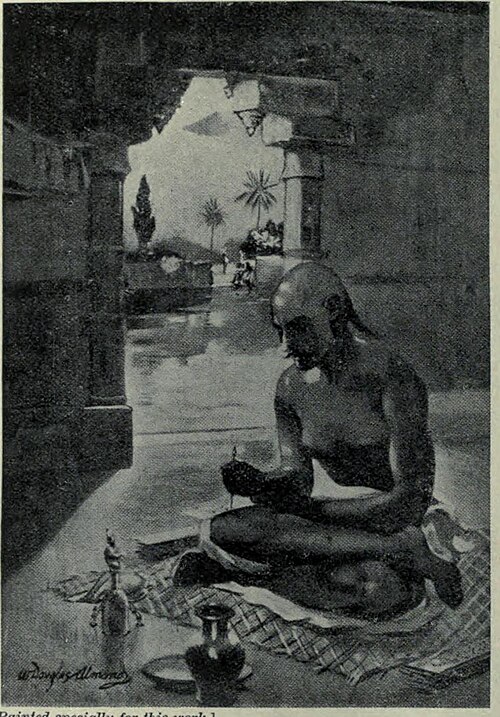
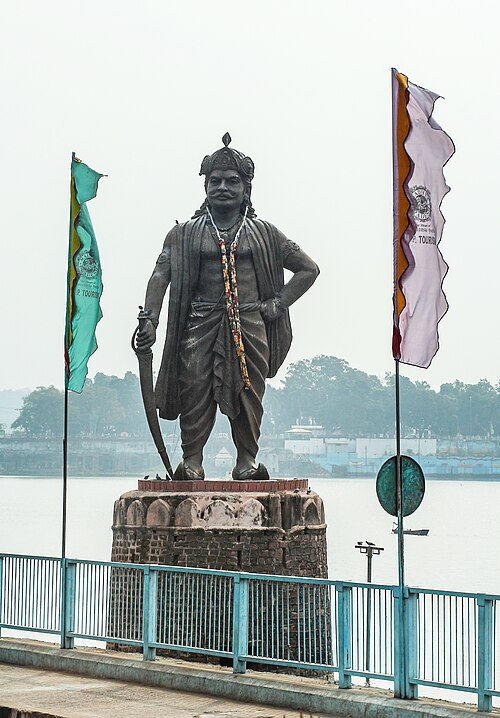
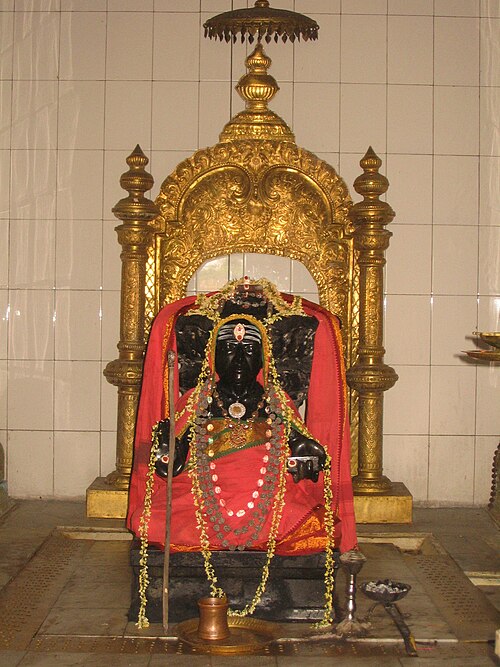
Bharata Muni is known only as the author of the Natya Shastra, the oldest surviving Indian treatise on the performing arts. Scholars date its compilation between about 200 BCE and 200 CE, and many think it gathers the work of several hands under one revered name.
विभावानुभावव्यभिचारिसंयोगाद्रसनिष्पत्तिः“Rasa arises from the union of the causes, the expressions and the passing feelings of an emotion.”Natya Shastra, chapter 6 — the rasa sutra
The text tells its own origin story: when the gods asked Brahma for an entertainment that all people could enjoy, he took words from the Rigveda, song from the Samaveda, gesture from the Yajurveda and emotion from the Atharvaveda, and created Natyaveda, the "fifth Veda", which he gave to Bharata and his hundred sons to perform.
Everything about the stage
In thirty-six chapters the Natya Shastra covers the building of theatres, the rituals before a performance, kinds of plays, plot structure, poetic metre, costume and make-up, the movements of hands, eyes, neck and feet, the styles of acting, music — instruments, scales and the twenty-two shrutis — and even how audiences should judge performances. Its four kinds of abhinaya — through body, speech, costume and inner feeling — are still the language of Indian dance.
Rasa
Its most influential idea is rasa, "taste" or aesthetic delight. A performance, Bharata says, presents an emotion — love, laughter, sorrow, anger, courage, fear, disgust or wonder — through its causes, expressions and passing moods, so that the audience "tastes" it as rasa. Later thinkers added a ninth, shanta, peace, giving the famous navarasa.
A living tradition
The great Kashmiri philosopher Abhinavagupta (c. 10th–11th century) wrote the classic commentary, the Abhinavabharati, deepening the theory of rasa into a theory of spiritual experience. Bharatanatyam, Kathakali, Kuchipudi, Odissi and other classical forms trace their grammar to the Natya Shastra.
How they are remembered
Dancers across India begin their training with the Natya Shastra's hand gestures and rasa, and the word natya itself recalls Bharata. Some even explain the name Bharatanatyam as honouring Bharata Muni.
Ekatmata Stotra · Stanza 19
Named in Stanza 19 of the Ekatmata Stotra — from Kālidāsa to Tyāgarāja.
भरतो मुनिरीशानः कालिदासो महाकविः।
भोजो जक्कणसूरदासस्त्यागराजो रसखानकः॥
Sources: Wikipedia: Bharata Muni · Wikipedia: Natya Shastra. Written afresh for The Hindu Book; corrections welcome at [email protected].