Gopabandhu Das was born on 9 October 1877 at Suando, a village near Puri, into a brahmin family of modest means. He studied at Puri Zilla School, then at Ravenshaw College in Cuttack, and took his MA and law degrees from Calcutta University. Even as a student in Cuttack he gathered friends into a group for service, nursing cholera patients and helping the poor in times of flood.
"Let my body mingle with the soil of this land, and let my countrymen walk over my back; whatever pits lie on the road to the nation's freedom, let my flesh and bones fill them."Gopabandhu Das, lines from Bandira Atmakatha ("A Prisoner's Autobiography"), written in Hazaribagh jail, 1922–24 — a free English rendering
The turning point of his life is often told through a personal loss: while he was away doing flood relief, his son fell ill and died. Rather than turn back, the story goes, he resolved that the people of Odisha would be his family. The people in turn gave him the title Utkalmani, "Jewel of Utkal".
The school under the trees
Gopabandhu practised law for a few years, but his heart was in education. In 1909 he founded a school at Sakhigopal near Puri, which became famous as the Satyabadi Vana Vidyalaya, the forest school of Satyabadi. Classes were held in the open under the trees, in the spirit of the ancient gurukula; teachers lived simply alongside their students, and the school combined modern subjects with character training, physical work and service to the community.
It became a high school the following year and sent up its first matriculation candidates in 1914. Its teachers — among them Nilakantha Das, Godavarish Mishra and Krupasindhu Mishra — became leaders of Odia literature and public life. The "Satyabadi group" shaped modern Odia letters for a generation.
Voice of Odisha
Elected to the Bihar and Orissa Legislative Council in 1917, Gopabandhu raised the problems of famine and flood in Odisha and pressed for the unity of the Odia-speaking areas, which were then scattered across several provinces. In 1919 he started the weekly newspaper The Samaja at Satyabadi; it became a daily in 1927 and remains one of Odisha's leading newspapers. Through its pages he spoke for peasants, flood victims and the poor, and he poured his own meagre resources into relief.
Freedom movement and prison
Gopabandhu joined Gandhi's Non-Cooperation movement and became, in 1920, the first president of the Utkal Pradesh Congress Committee, a post he held until his death. He was among those who welcomed Gandhi on his first visit to Odisha in 1921. Arrested in 1922, he was sentenced to two years and held in Hazaribagh jail until June 1924. There he wrote poetry, including Bandira Atmakatha and Karakavita, whose lines of longing for the land and readiness to sacrifice are still recited in Odisha schools.
Servant of the people
After meeting Lala Lajpat Rai in 1920 he joined the Lok Sevak Mandal, the Servants of the People Society that Lajpat Rai founded. He left The Samaja to the society in his will. He died on 17 June 1928, aged fifty, after falling ill while attending a meeting of the society.
How they are remembered
Gopabandhu Das is remembered in Odisha as the model of selfless public service — a man who owned little and gave everything. Schools, colleges and public schemes across Odisha bear his name. The Samaja, still published more than a century later, carries his vision of a newspaper as a servant of the people. His long poem Dharmapada retells the Konark legend of the boy who set the crowning stone on the Sun Temple and gave his life to save the honour of its craftsmen.
Ekatmata Stotra · Stanza 28
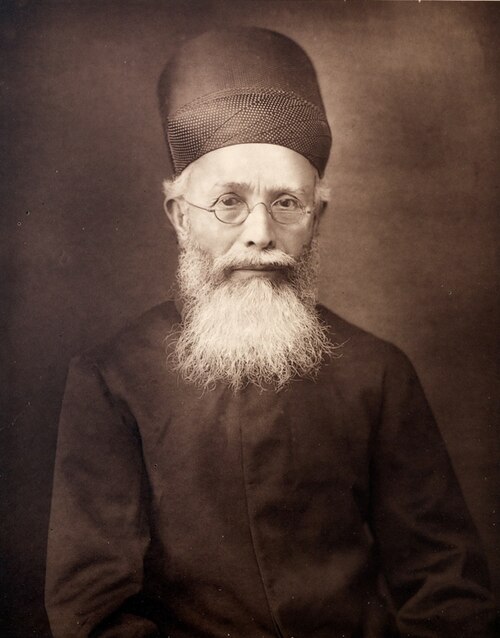
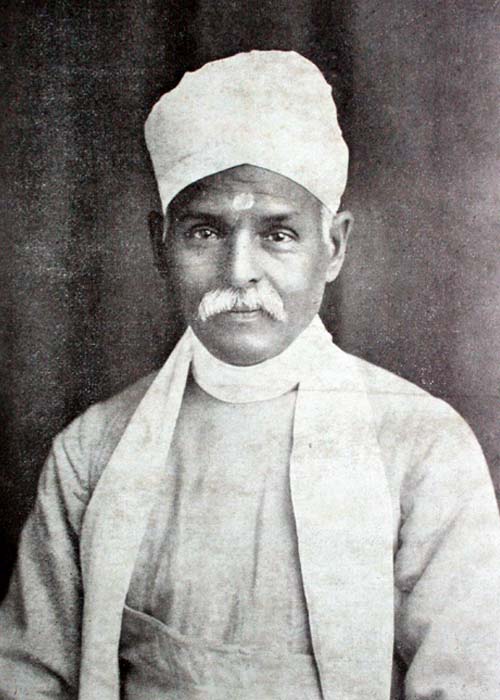
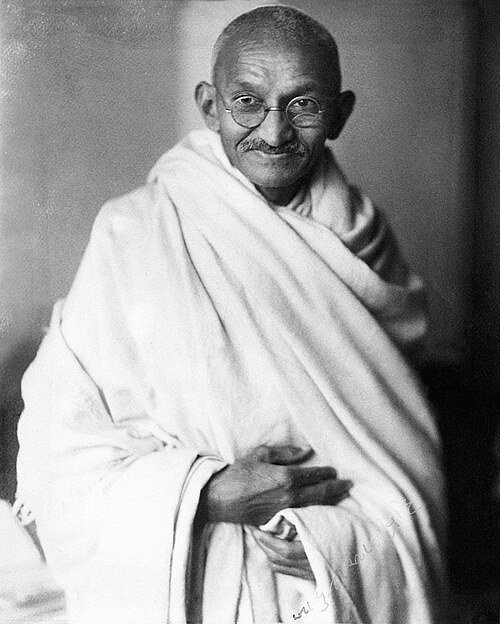
Named in Stanza 28 of the Ekatmata Stotra — the Grand Old Men and the gentle revolutionaries.
दादाभाई-गोपबन्धुः तिलको गान्धि-महर्षिकः।
मालवीय: भारती च सप्तर्षयो नरोत्तमाः॥
Sources: Wikipedia: Gopabandhu Das · odisha.gov.in/odisha-profile/eminent-personalities/pandit-gopabandhu-das · odishabytes.com/ten-incidents-that-defined-architect-of-odisha-uktalmani-gopabandhu-das. Written afresh for The Hindu Book; corrections welcome at [email protected].