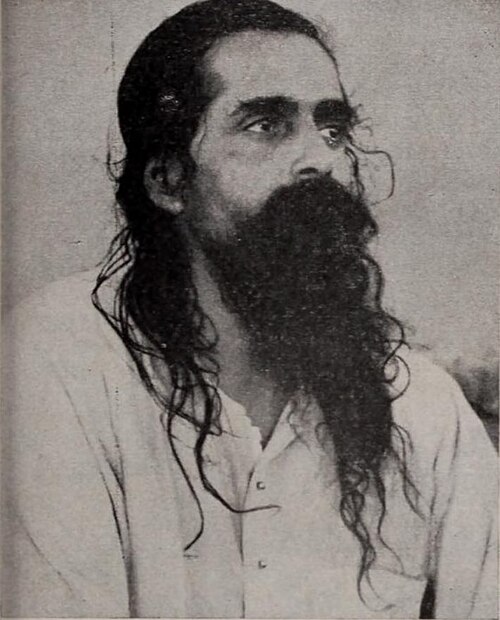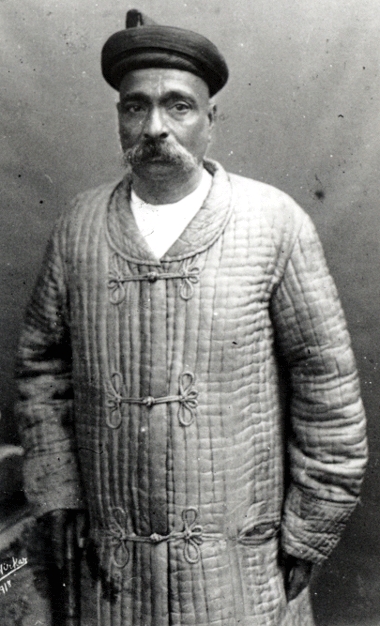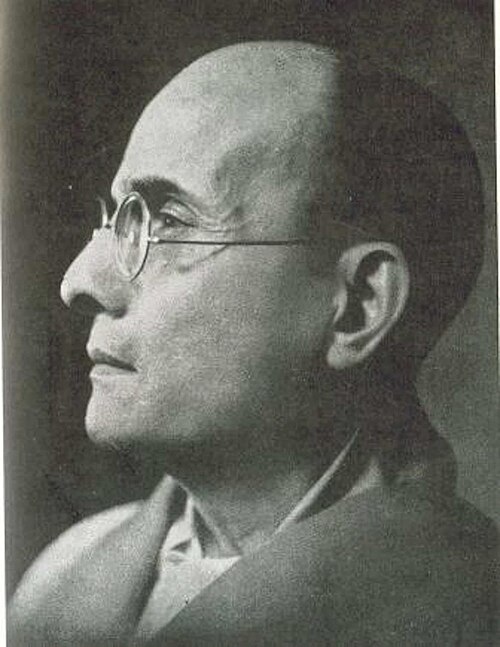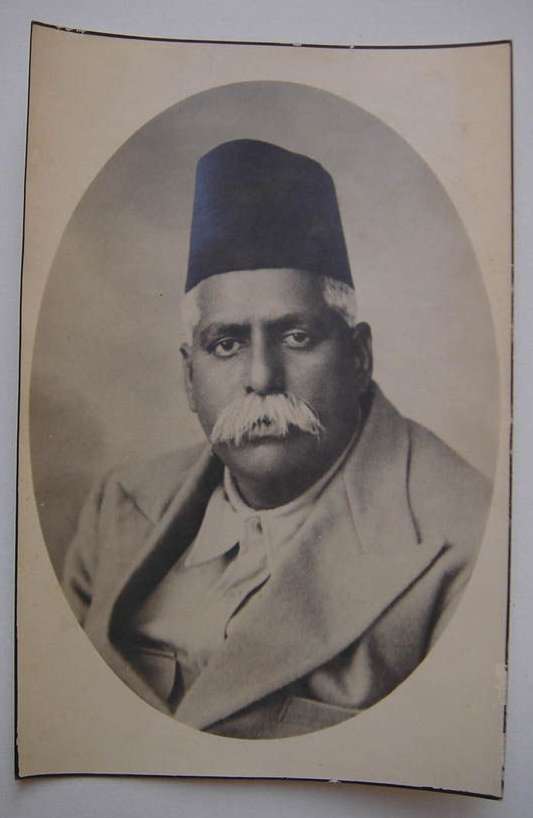
Keshav Baliram Hedgewar was born in Nagpur on Gudi Padwa in 1889, to a poor Telugu-origin Deshastha Brahmin family. He lost both parents to plague at thirteen. As a schoolboy he was expelled for leading his classmates in singing "Vande Mataram" in front of a school inspector — a banned act at the time.
He believed the nation's weakness lay not in the British but in disunity and lack of character among its own people — and that the cure was patient, daily work.His central idea, as described by his biographers
In 1910 he went to Calcutta to study medicine at the National Medical College. There he was drawn into the revolutionary Anushilan Samiti, carrying messages and arms. He qualified as a doctor in 1915 but chose not to practise, returning to Nagpur to work for the national cause.
Congress and prison
Back in Nagpur, Hedgewar joined the Indian National Congress and Tilak's circle, and helped organise volunteers for the Nagpur Congress session of 1920. In 1921 he took part in the Non-Cooperation movement and was jailed for a year for "seditious" speeches. In 1930 he joined the Jungle Satyagraha in Yavatmal and was imprisoned again for nine months.
The founding in 1925
Disturbed by the communal riots of the early 1920s and convinced that Hindu society needed discipline and unity, Hedgewar gathered a few young men in Nagpur on Vijayadashami, 27 September 1925, and founded the Rashtriya Swayamsevak Sangh. Its method was the shakha: a daily one-hour meeting for physical exercise, games, songs, discussion and the saffron flag, building character from below rather than seeking power. He was known simply as "Doctorji".
Last years and debate
By the time he died in Nagpur on 21 June 1940, the organisation had spread across much of India. He chose M. S. Golwalkar as his successor. Critics argue that the organisation he built kept apart from the main freedom struggle and promoted a Hindu-centred idea of the nation; supporters point to his own imprisonments and to the social work its members later did.
How they are remembered
His memorial, the Smriti Mandir at Reshimbagh in Nagpur, is visited by thousands each year, and Vijayadashami, the day of the founding, is marked with an annual address. A commemorative postage stamp was issued in 1999.
Ekatmata Stotra · Stanza 30
Named in Stanza 30 of the Ekatmata Stotra — the architects of the modern Sangh.
केशव: माधवश्चैव पूज्यौ धर्मप्रबोधकौ।
यौ प्रचण्ड-तपो-दीप्तौ राष्ट्र-जागरण-कृतौ॥
Sources: Wikipedia: K. B. Hedgewar. Written afresh for The Hindu Book; corrections welcome at [email protected].