
About Sai Baba
His origins are unknown. He kept a sacred fire (dhuni) burning, gave its ash (udi) to the sick, begged for his food and shared it with all. His two watchwords for devotees were Shraddha (faith) and Saburi (patience).
His life and sayings were recorded by his devotee Govind Dabholkar in the Marathi Shri Sai Satcharitra. Many Hindus revere him as a guru and an incarnation; his samadhi mandir at Shirdi is one of India's most visited shrines, and Thursday is his day.
Sai Baba mantra
Sai mantra
ॐ साईं राम
oṁ sāīṁ rāma
Om Sai Ram — the name chanted by Sai devotees.
Prayers to Sai Baba 1
Chalisas, aartis, stotras and mantras for Sai Baba, each with the full text, transliteration and meaning.

Temples of Sai Baba
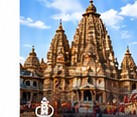
Shirdi Sai Baba Temple शिरडी साईबाबा मंदिर
Shirdi, Maharashtra · Sai Baba
Samadhi of Shirdi Sai Baba (1838-1918). Second most visited pilgrimage in Maharashtra. Marble idol over samadhi. 4 daily aartis. VIP darshan passes available. Massive annadaan.
Frequently asked questions
When did Sai Baba take samadhi?
On 15 October 1918, on Vijayadashami (Dussehra). The day is observed every year at Shirdi as his Punyatithi.
Why is Thursday Sai Baba's day?
Thursday is the day of the guru (Guruvar), and Sai devotees honour him as their sadguru. Many keep the Sai vrat on nine Thursdays.
What does Shraddha and Saburi mean?
Shraddha is faith and Saburi is patience — the two 'coins' Sai Baba asked of his devotees, by which he meant steady trust in the guru and calm perseverance.