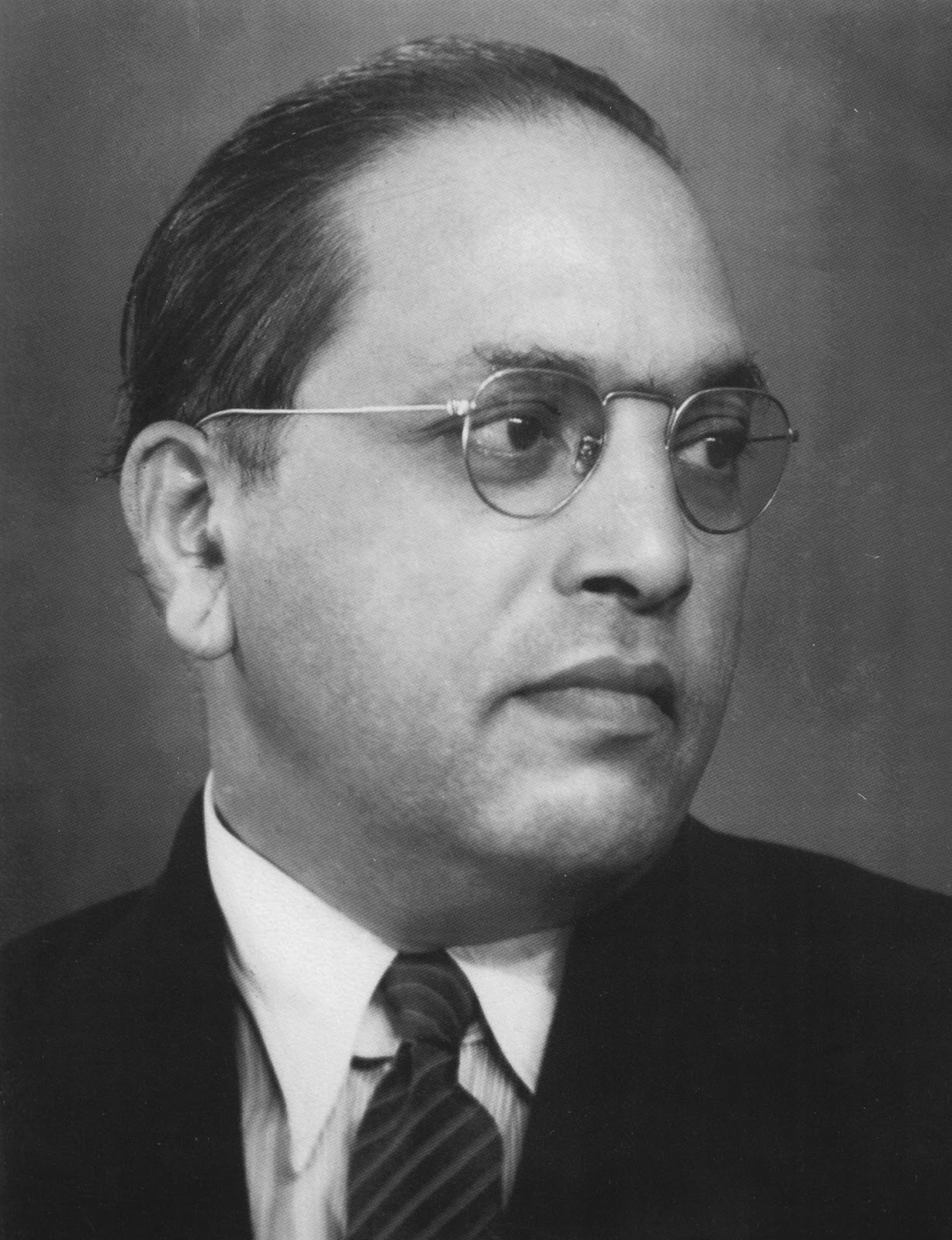
Bhimrao Ramji Ambedkar was born in 1891 at the army cantonment of Mhow, the fourteenth child of Ramji Sakpal, a subedar in the British Indian Army, and Bhimabai. His family were Mahars, a community treated as untouchable. At school in Satara he had to sit apart on a sack and could not touch the water tap.
“Educate, agitate, organise.”Ambedkar's watchword, from his last years
Determined to study, he graduated from Elphinstone College in Bombay and, with a scholarship from the Maharaja of Baroda, earned an MA and PhD from Columbia University in New York and a DSc from the London School of Economics, and qualified as a barrister. He became one of the most highly educated Indians of his time.
The struggle against untouchability
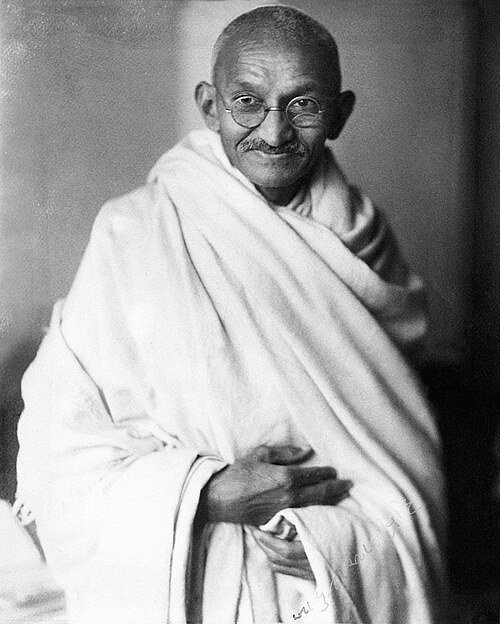
Back in India he started newspapers — Mooknayak and Bahishkrit Bharat — and in 1927 led the Mahad satyagraha to assert the right of untouchables to draw water from a public tank. In the same year he publicly burned the Manusmriti, and in 1930 led the Kalaram temple entry movement at Nashik. At the Round Table Conferences in London he demanded separate electorates for the Depressed Classes; Gandhi fasted against this, and the two reached the Poona Pact of 1932, giving reserved seats instead.
Annihilation of Caste
In 1936 he wrote Annihilation of Caste, a speech never delivered because the organisers would not accept its attack on the scriptural basis of caste. It argued that caste could not be reformed from within and must be destroyed. He debated Gandhi, who defended an idealised varna, sharply and in public. He founded the Independent Labour Party and later the Scheduled Castes Federation.
The Constitution and the last years
In 1947 he became independent India's first Law Minister and chairman of the Drafting Committee of the Constitution, which guaranteed equality before the law, abolished untouchability (Article 17) and provided reservations. He resigned in 1951 when the Hindu Code Bill on women's rights in marriage and inheritance was stalled.
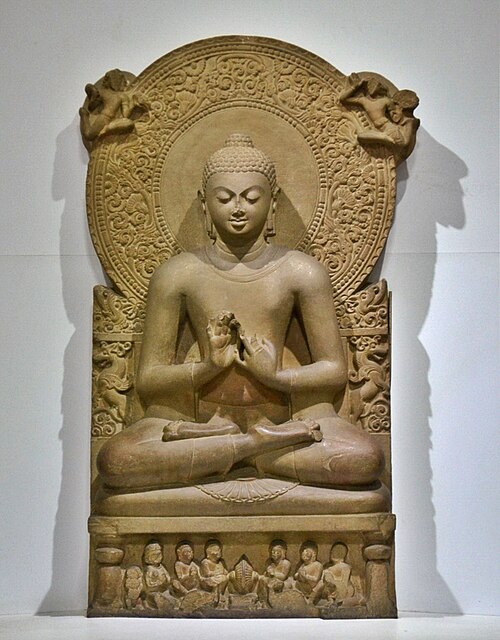
On 14 October 1956, at Deekshabhoomi in Nagpur, he embraced Buddhism with several hundred thousand followers, taking twenty-two vows. He died seven weeks later in Delhi. His last book was The Buddha and His Dhamma.
How they are remembered
Ambedkar Jayanti on 14 April is a public holiday, and his death anniversary is observed as Mahaparinirvan Diwas at Chaityabhoomi in Mumbai. He was awarded the Bharat Ratna in 1990. For millions he is simply Babasaheb, and his name stands with Gandhi's as a maker of modern India.
Ekatmata Stotra · Stanza 29
Named in Stanza 29 of the Ekatmata Stotra — the fierce voices — Netaji to Ambedkar.
सुभाषश्च प्रणवानन्दः सावरकरस्ठक्करबापा।
अम्बेडकरो नारायण-गुरुर्वन्द्या जयन्ति धर्मिणः॥
Sources: Wikipedia: B. R. Ambedkar · Wikipedia: Annihilation of Caste. Written afresh for The Hindu Book; corrections welcome at [email protected].