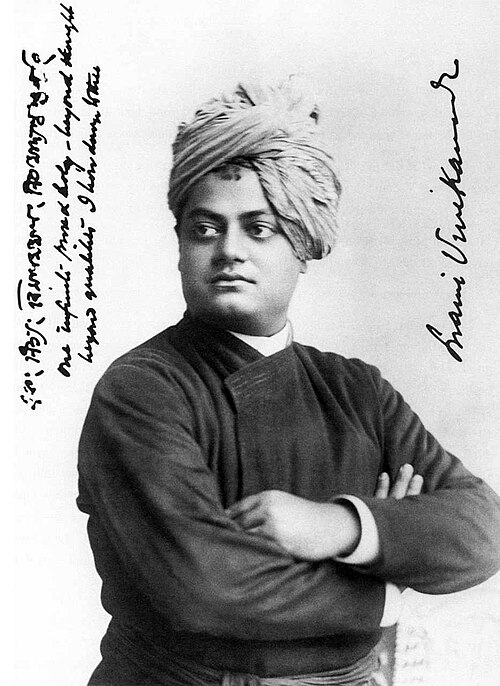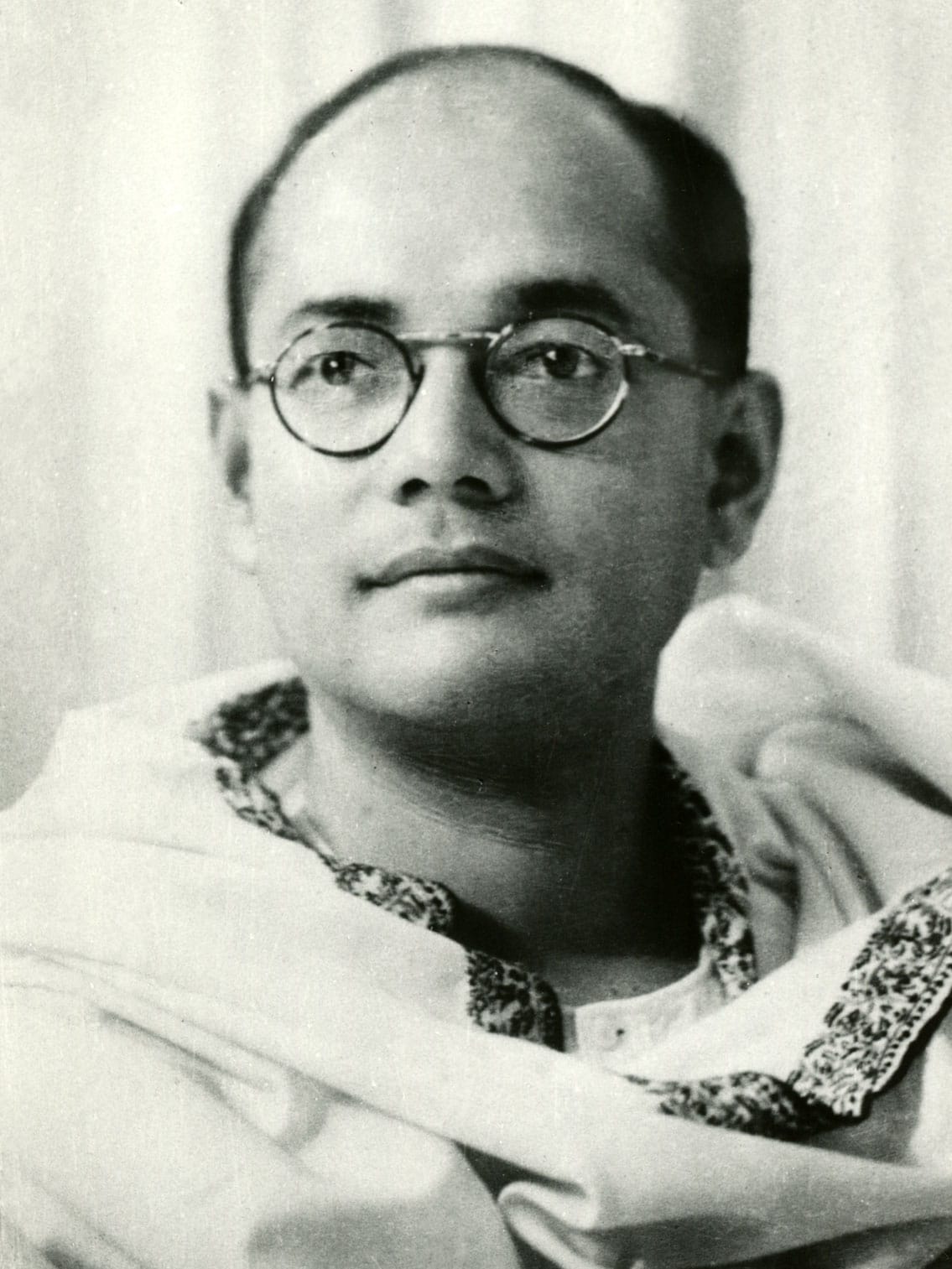
Subhas Chandra Bose was born in 1897 at Cuttack in Odisha, the ninth child of the lawyer Janakinath Bose and Prabhavati Devi. As a student in Calcutta he was deeply moved by the writings of Swami Vivekananda. He passed the Indian Civil Service examination in England in 1920 — fourth in order of merit — and then resigned in 1921, refusing to serve the British.
तुम मुझे खून दो, मैं तुम्हें आज़ादी दूँगा“Give me blood, and I will give you freedom!”Netaji, addressing the INA in Burma, 1944
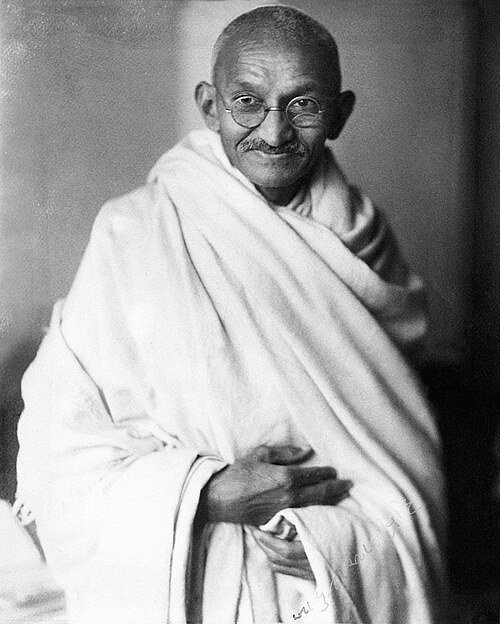
Back in India he worked under the Bengal leader Chittaranjan Das, became chief executive of the Calcutta Corporation and was repeatedly jailed. He was elected Congress president in 1938 at Haripura and again in 1939 at Tripuri, defeating Gandhi's candidate — but differences with Gandhi led him to resign and form the Forward Bloc.
The Great Escape
Placed under house arrest in Calcutta in 1940, Bose slipped away in January 1941 disguised as a Pathan, travelled through Peshawar and Kabul and reached Berlin. Believing that Britain's enemies could help free India, he sought support from Germany and later Japan — a choice that has been strongly debated ever since. In 1943 he travelled by submarine to Southeast Asia.
Azad Hind
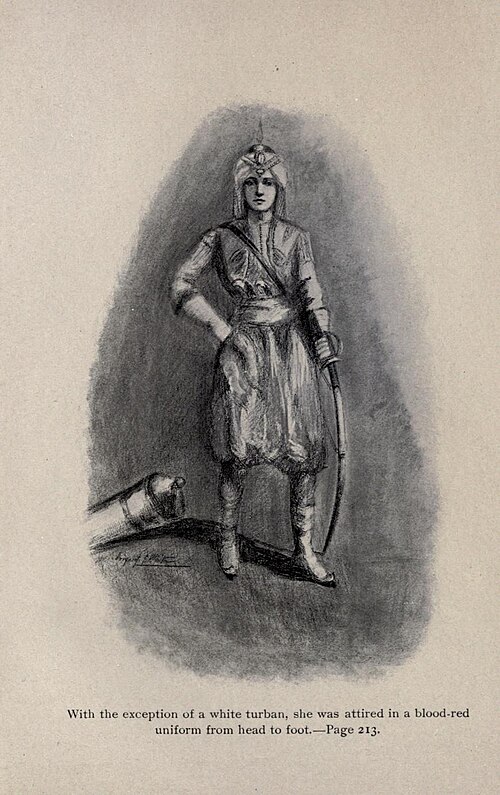
In Singapore he took command of the Indian National Army, built from Indian prisoners of war and the Indian community of the region, and on 21 October 1943 proclaimed the Provisional Government of Azad Hind. The army had a women's regiment named after Rani Lakshmibai, led by Captain Lakshmi Swaminathan. With the call "Dilli Chalo!" the INA fought alongside the Japanese in the Imphal and Kohima campaigns of 1944, and failed, with heavy losses.
Death and the INA trials
Bose is officially accepted to have died of burns after an air crash in Taipei on 18 August 1945; the circumstances remained a subject of public controversy and several inquiries for decades. The trials of INA officers at the Red Fort in 1945–46 stirred the whole country and helped convince the British that they could no longer rely on Indian soldiers.
How they are remembered
His birthday, 23 January, is observed as Parakram Diwas. His statue stands under the canopy at India Gate, the Andaman island of Ross was renamed after him, and "Jai Hind", the greeting he popularised, became the salute of independent India.
Ekatmata Stotra · Stanza 29
Named in Stanza 29 of the Ekatmata Stotra — the fierce voices — Netaji to Ambedkar.
सुभाषश्च प्रणवानन्दः सावरकरस्ठक्करबापा।
अम्बेडकरो नारायण-गुरुर्वन्द्या जयन्ति धर्मिणः॥
Sources: Wikipedia: Subhas Chandra Bose · Wikipedia: Indian National Army. Written afresh for The Hindu Book; corrections welcome at [email protected].