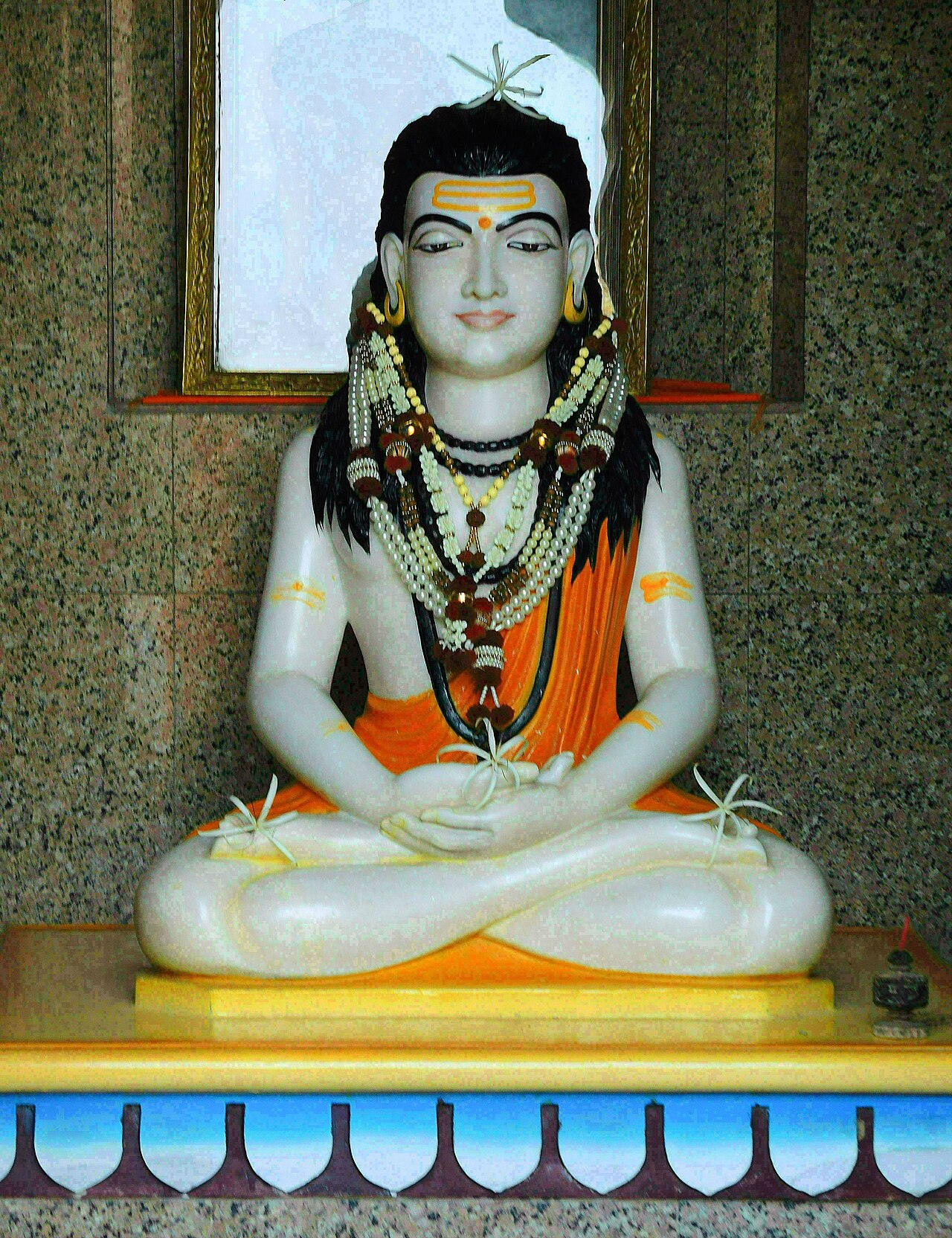
Gorakshanath, better known in the north as Gorakhnath, is the central figure of the Nath Sampradaya, the order of yogis who trace their teaching to Adinath — Shiva himself — through Matsyendranath, Gorakshanath's guru. Almost nothing about his life can be fixed with certainty. Regions from Punjab and Bengal to Maharashtra and Nepal claim him, and scholars have proposed dates ranging from the 9th to the 13th century; many settle on the 11th or 12th.
हसिबा खेलिबा धरिबा ध्यानं। अहनिसि कथिबा ब्रह्म गियानं। हसै खेलै न करै मन भंग। ते निहचल सदा नाथ के संग॥“Laugh, play, and hold to meditation; speak day and night of the knowledge of Brahman. One who laughs and plays yet never lets the mind break stays forever steady, with the Nath.”Gorakh Bani, Sabadi (verses attributed to Gorakhnath)
What is certain is the depth of his mark. Within a few centuries he was honoured as a perfected master (siddha) from the Himalayas to the Deccan, and a large body of yoga texts and vernacular verses was attributed to him. Later yoga manuals name him among the masters through whom Hatha Yoga was handed down.
Guru and disciple
Nath tradition tells many stories of Gorakshanath and his guru Matsyendranath. The best known says that Matsyendra, enchanted, was living as a householder in a kingdom of women and had forgotten his yoga. Gorakshanath entered the court disguised as a drummer and, through the rhythm of his drum, called out “Jaag Machhindar, Gorakh aaya” — “Wake up, Matsyendra, Gorakh has come” — until his guru remembered who he was. The story reverses the usual order: here the disciple rescues the teacher, and the tale is told to show that yoga demands constant wakefulness.
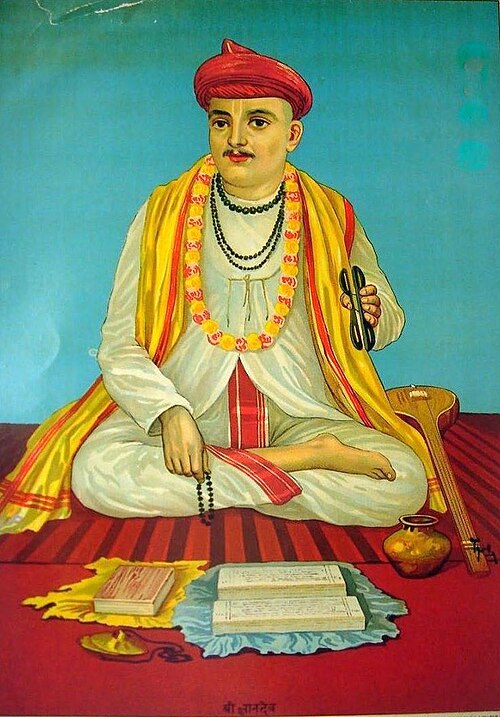
Tradition counts nine great Naths (the Navnath) and eighty-four siddhas, and Gorakshanath stands at the centre of both lists. In Maharashtra the line passes from him to Gahininath and then to Nivrittinath, the elder brother and guru of Sant Jnaneshwar, so that the Varkari poet-saints also look back to him.
Hatha Yoga
Sanskrit works such as the Goraksha Shataka and the Siddha Siddhanta Paddhati are attributed to him, though scholars debate how many he wrote himself. They teach postures (asana), breath control (pranayama), locks (bandha) and seals (mudra) as means to awaken the inner energy (kundalini) and still the mind, with the body treated as an instrument for liberation rather than an obstacle to it.
The 15th-century Hatha Yoga Pradipika of Svatmarama, the best-known manual of the discipline, opens by naming Matsyendra and Goraksha among the masters of Hatha Yoga. Much of the yoga practised worldwide today descends, through many changes, from this Nath stream.
The Nath yogis
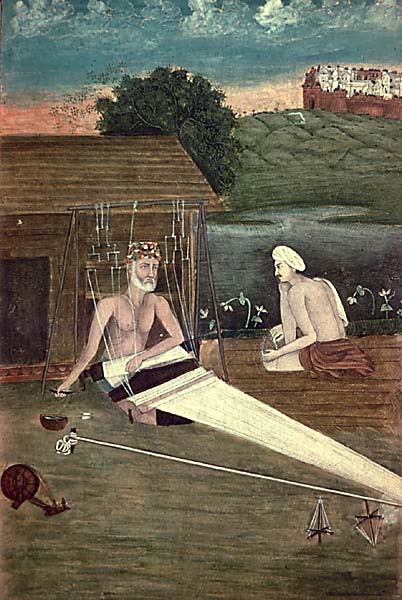
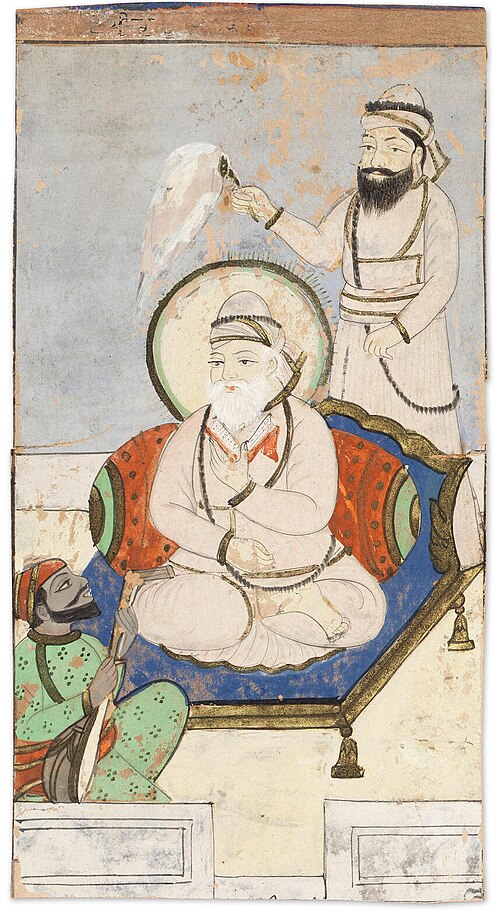
Nath yogis are often called Kanphata, “split-eared”, for the large earrings worn through the cartilage of the ear at initiation. Tradition credits Gorakshanath with organising the order into twelve branches (panths). The Naths cut across caste lines and spoke to ordinary people in their own languages: the Gorakh Bani, a collection of verses in early Hindi attributed to him, is among the oldest writing in that language, and Nath ideas echo in the poetry of Kabir and in Guru Nanak's recorded dialogue with the siddhas.
Gorakhpur and Nepal
The city of Gorakhpur in Uttar Pradesh takes its name from him, and its Gorakhnath Math is the chief seat of the order. Each Makar Sankranti, devotees offer khichdi there in a large fair. In Nepal he is honoured as a protector of the land, and the Gorkha region — and through it the name of the Gorkha soldiers — is traditionally linked with him.
How they are remembered
Gorakshanath's legacy lives on in two ways: in the yoga postures and breathing practices now taught across the world, and in a living order of yogis whose maths, caves and fire-shrines (dhunis) still dot India and Nepal. His name is invoked in folk songs from Rajasthan to Bengal, and he is remembered above all as the yogi who taught that mastery of the body is a path to mastery of the mind.
Ekatmata Stotra · Stanza 15
Named in Stanza 15 of the Ekatmata Stotra — from Buddha and Mahāvīra to Basaveśvara.
बुद्धो जिनश्च गोरक्षो वल्लुवस्तिरुनामकः।
नायन्माराश्च आळ्वाराः कम्बन्बसवेश्वरौ तथा॥
Sources: Wikipedia: Gorakhnath · Wikipedia: Nath · Wikipedia: Hatha Yoga Pradipika. Written afresh for The Hindu Book; corrections welcome at [email protected].