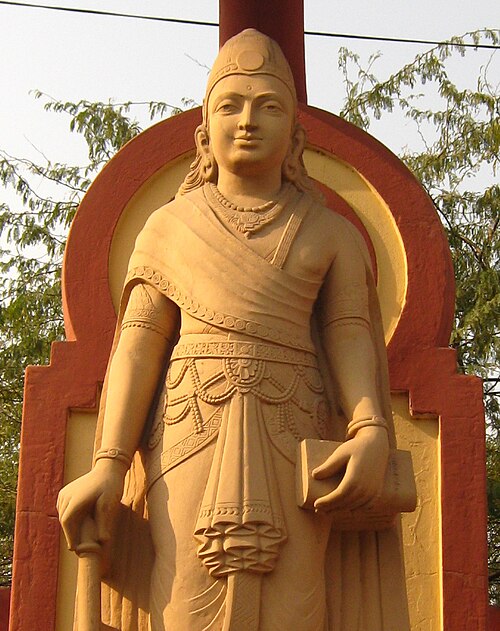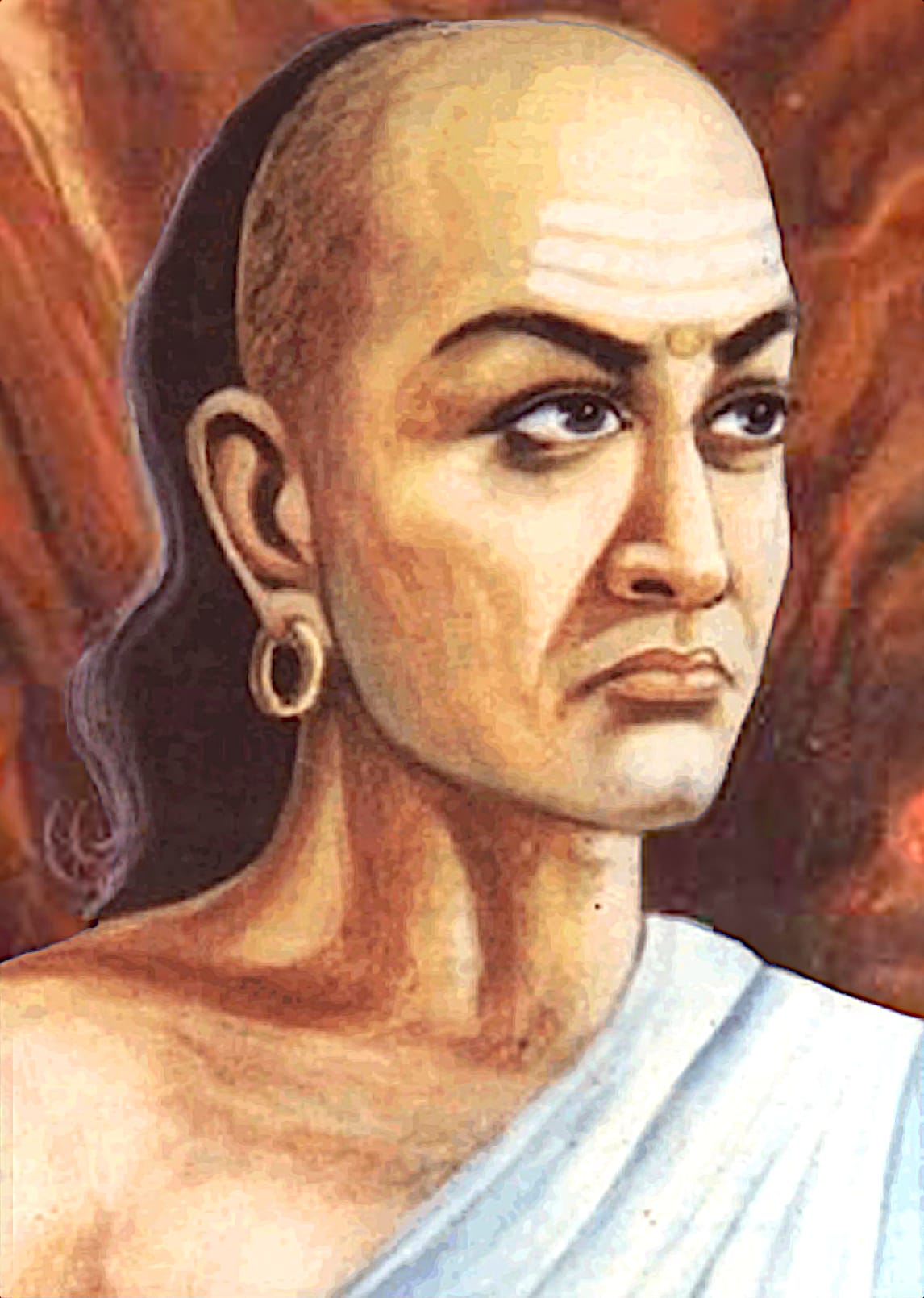
Chanakya — also remembered as Kautilya and Vishnugupta — lived in the fourth century BCE. The stories about him come from many later sources, Hindu, Buddhist and Jain, and they differ in detail; but all agree that he was a brahmin scholar, a teacher associated with Takshashila, and the mind behind the rise of Chandragupta Maurya.
प्रजासुखे सुखं राज्ञः प्रजानां च हिते हितम्“In the happiness of his subjects lies the king's happiness; in their welfare, his welfare.”Arthashastra 1.19
According to the best-known tradition, Chanakya was insulted at the court of the Nanda king of Magadha and vowed to bring the dynasty down. He found a young man of great promise in Chandragupta, trained him, and together they overthrew the Nandas around 321 BCE — founding an empire that came to stretch across most of the subcontinent.
The kingmaker
As Chandragupta's chief counsellor, Chanakya is credited with organising the army, the treasury and a network of spies, and with winning over the Nanda minister Rakshasa to the new king's service. The drama Mudrarakshasa by Vishakhadatta, written centuries later, tells this story of strategy and loyalty, and has kept the image of the shrewd, selfless minister alive.
The Arthashastra
The Arthashastra, “the science of wealth and governance”, is ascribed to Kautilya. Its fifteen books cover the training of a king, the duties of officials, taxation, law and justice, trade, agriculture, diplomacy and war. It describes the mandala view of neighbouring states and the seven elements of a kingdom, the saptanga. Long lost, its manuscript was identified by R. Shamasastry at Mysore and published in 1909. Scholars still debate how much of the present text goes back to Chanakya himself.
Niti for daily life
A collection of short sayings, the Chanakya Niti, is also attributed to him and remains popular in Hindi and many other languages. Its verses on friendship, wealth, learning and self-discipline are quoted in homes and classrooms — though, like many such collections, it grew over time. Through both works, Chanakya stands for clear thinking in the service of the people's welfare.
How they are remembered
New Delhi's diplomatic enclave is named Chanakyapuri, and the Arthashastra is studied today in courses on political science, economics and strategy. Plays, novels and television series — from the Mudrarakshasa to the serial Chanakya — have kept him in the public imagination as India's archetypal strategist.
Ekatmata Stotra · Stanza 22
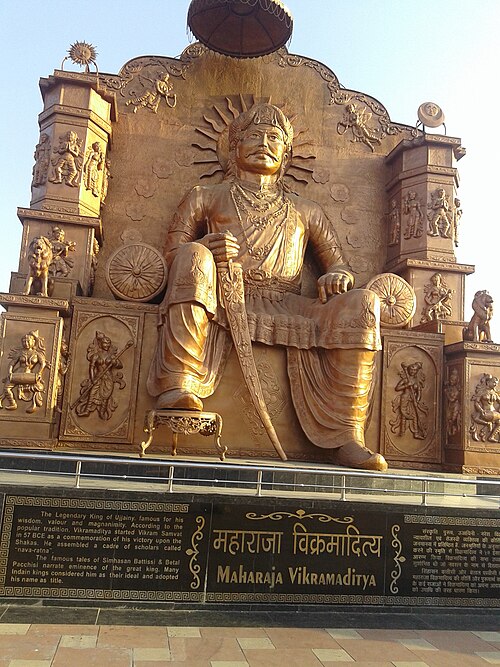
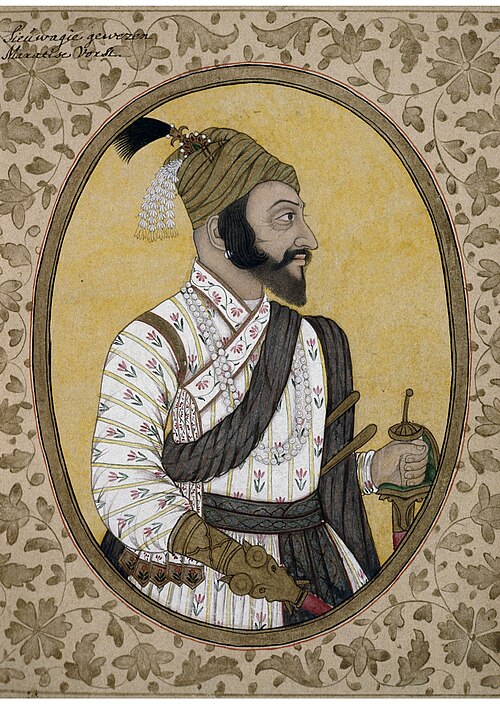
Named in Stanza 22 of the Ekatmata Stotra — the architects of empire — Chanakya to Bappa Rawal.
चाणक्यश्च चन्द्रगुप्तो विक्रमादित्यशालिवाहनौ।
समुद्रगुप्तो हर्षः शैलेन्द्रो बप्पारावलः॥
Sources: Wikipedia: Chanakya · Wikipedia: Arthashastra. Written afresh for The Hindu Book; corrections welcome at [email protected].