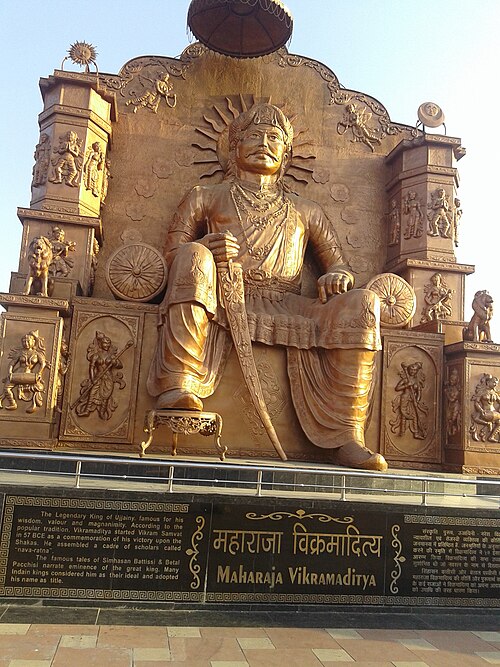
Varahamihira was born at Kapitthaka, near Ujjain, the son of Adityadasa, a worshipper of the Sun who taught him astronomy. He lived and worked in Ujjain, then India's chief centre of astronomy, in the sixth century; tradition gives his death as 587 CE. Later legend made him one of the "nine jewels" at the court of King Vikramaditya.
म्लेच्छा हि यवनास्तेषु सम्यक् शास्त्रमिदं स्थितम्। ऋषिवत्तेऽपि पूज्यन्ते…“The Greeks are foreigners, yet this science is well established among them, and they are honoured like rishis.”Brihat Samhita 2.15
He was a younger contemporary of Aryabhata and wrote on almost everything that the sky and the earth could teach.
Five astronomies
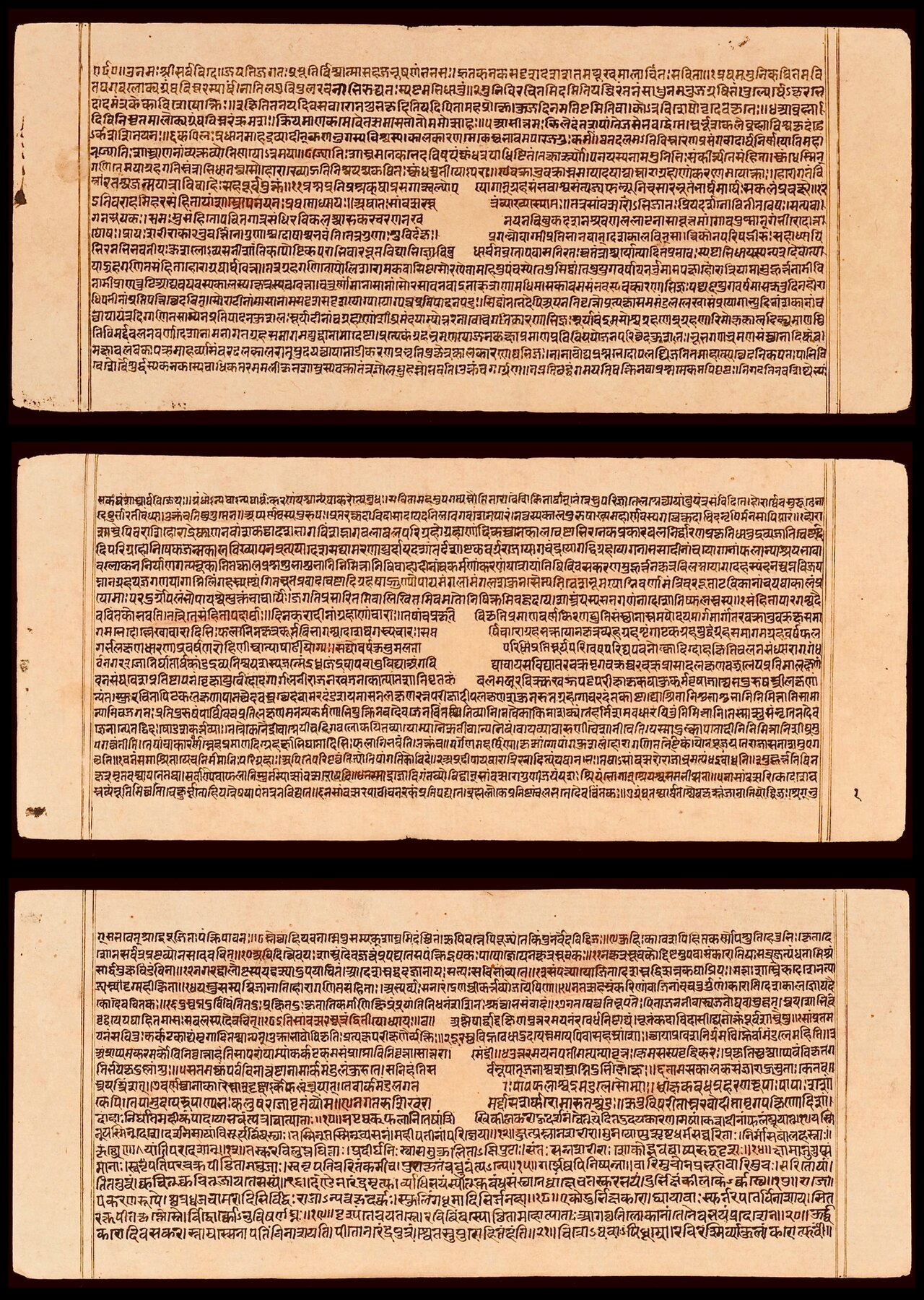
His Pancha Siddhantika, with an epoch of 505 CE, summarises five astronomical systems then known in India — the Paitamaha, Vasishtha, Romaka, Paulisha and Surya Siddhantas — two of which show Greek and Roman influence. It preserves much early Indian astronomy that would otherwise be lost, including methods for calculating eclipses and planetary positions.
An encyclopedia of the world
The Brihat Samhita, in over a hundred chapters, covers the motions of planets and comets, weather and rainfall forecasting, earthquakes, agriculture, the building of houses and temples, the making of images, gems, perfumes, the signs of good horses and elephants, and even how to find underground water by looking at plants, termite mounds and soil. Its chapters on temple architecture and iconography were used by builders for centuries.
Respect for learning
His Brihat Jataka became a standard text of Indian astrology. Varahamihira freely borrowed Greek terms, and his verse praising Greek astronomers as worthy of honour "like rishis" is one of the clearest early statements in India that knowledge should be valued whatever its source.
How they are remembered
Ujjain's place as the prime meridian of traditional Indian astronomy owes much to Varahamihira and his school. His Brihat Samhita is still consulted for vastu, iconography and the history of science.
Ekatmata Stotra · Stanza 25
Named in Stanza 25 of the Ekatmata Stotra — the six foundational minds.
कपिलः कणादश्च सुश्रुतश्चरकस्तथा।
भास्कराचार्यो वराहमिहिरस्तेजस्विनामहम्॥
Sources: Wikipedia: Varahamihira · Wikipedia: Brihat Samhita. Written afresh for The Hindu Book; corrections welcome at [email protected].