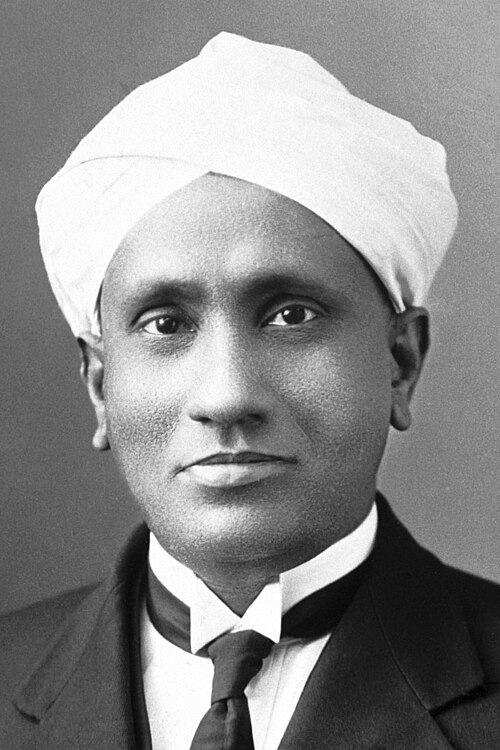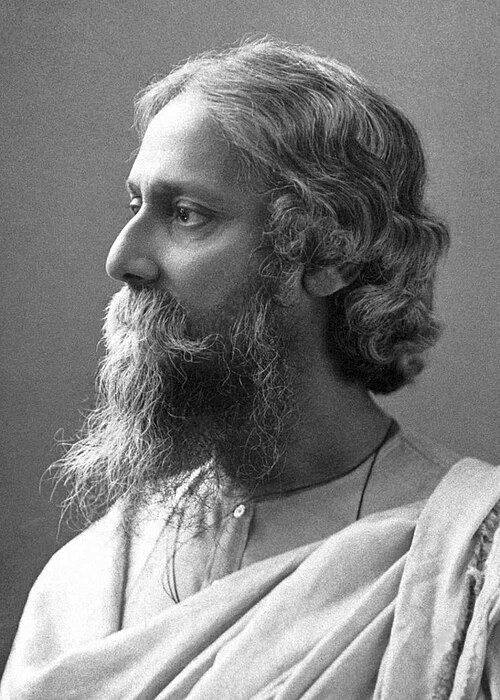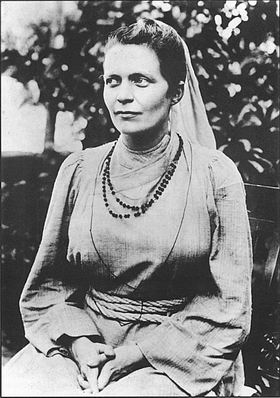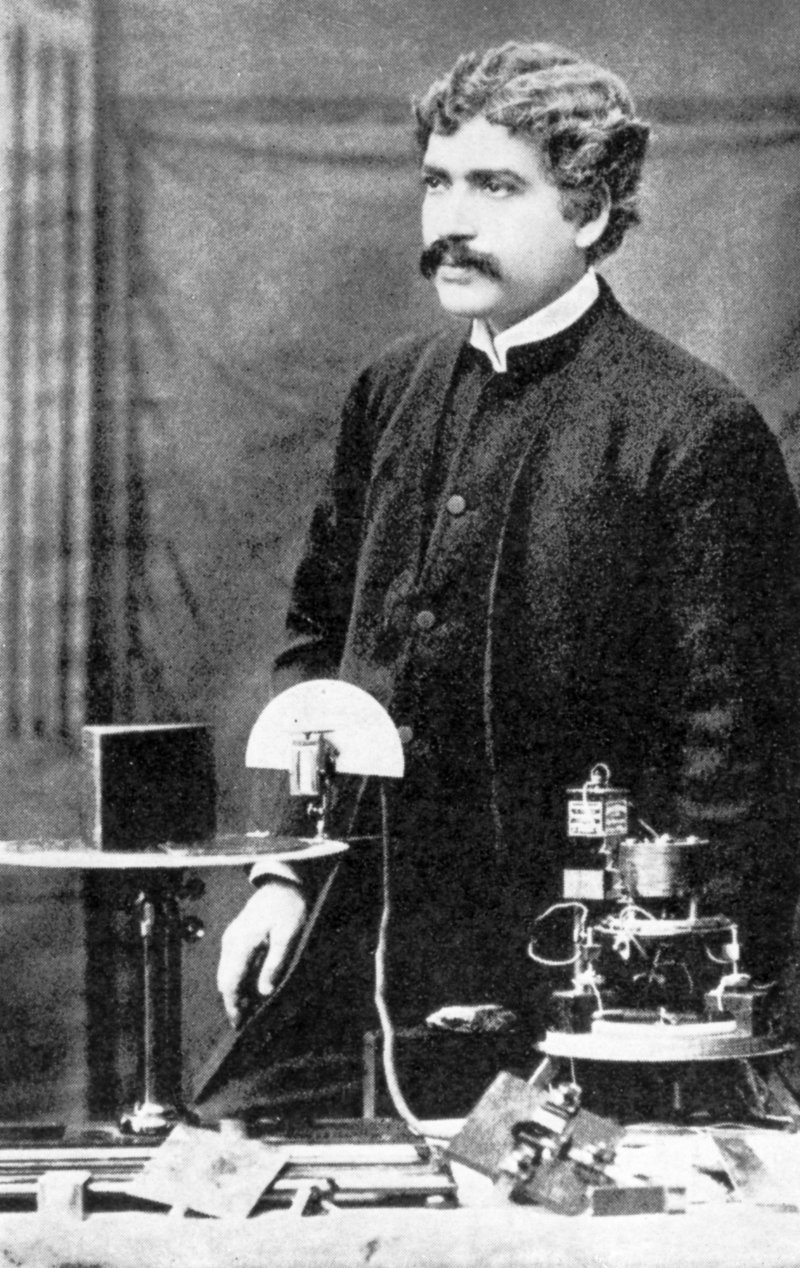
Jagadish Chandra Bose was born in 1858 at Mymensingh in eastern Bengal, now in Bangladesh. His father, a government officer, sent him first to a village school where he learned alongside the sons of farmers and fishermen — an experience Bose said taught him to love nature. He studied at St. Xavier's College, Calcutta, and then natural sciences at Cambridge.
“The true laboratory is the mind, where behind illusions we uncover the laws of truth.”J. C. Bose, address at the opening of the Bose Institute, 1917
In 1885 he became professor of physics at Presidency College, Calcutta, where for years he was paid less than his European colleagues; he refused his salary in protest until the college gave way.
Radio waves in Calcutta
In a small room at Presidency College, Bose built apparatus to produce and detect electromagnetic waves of very short wavelength — microwaves, a few millimetres long. In 1895 he demonstrated in Calcutta that such waves could pass through walls to ring a bell at a distance, and he invented improved detectors, including an early semiconductor (galena) detector. He published widely but chose not to patent most of his work, believing knowledge should be free. In 2012 the IEEE recognised his work as a milestone of engineering.
The life of plants
Bose then turned to the response of living and non-living things to stimuli. With extremely sensitive instruments of his own design, such as the crescograph, which magnified plant growth thousands of times, he showed that plants respond to heat, light, poisons and injury with electrical signals much like animal nerves. His book Response in the Living and Non-Living appeared in 1902.
The Bose Institute
In 1917 he founded the Bose Institute in Calcutta as a "temple of science", open to all, and was knighted the same year; in 1920 he became a Fellow of the Royal Society. He was a close friend of Tagore and Sister Nivedita, who helped him prepare his books, and he wrote one of the first Bengali science-fiction stories. He died at Giridih in 1937.
How they are remembered
A crater on the Moon bears his name, and the Bose Institute remains one of India's leading research centres. Many historians of science count him among the pioneers of radio and microwave optics, and he was among the first to bring modern experimental science to India.
Ekatmata Stotra · Stanza 26
Named in Stanza 26 of the Ekatmata Stotra — bridging the ancient and the modern.
नागार्जुनो भरद्वाजः आर्यभट्टो वसुस्तथा।
रमणो रामानुजश्च नवदीप्त्या विराजिताः॥
Sources: Wikipedia: Jagadish Chandra Bose · Wikipedia: Crescograph. Written afresh for The Hindu Book; corrections welcome at [email protected].