In the Puranic tradition, the sage Mrikandu and his wife Marudvati (also called Manasvini) were childless and worshipped Shiva for a son. Shiva offered them a choice: a son who would be dull but long-lived, or one who would be wise and devoted but would live only sixteen years. They chose the second, and the boy was named Markandeya, "son of Mrikandu".
चन्द्रशेखरमाश्रये मम किं करिष्यति वै यमः“I take refuge in Chandrashekhara, the moon-crowned Shiva — what can Yama do to me?”Chandrashekhara Ashtakam, refrain — traditionally ascribed to Markandeya
He grew up gentle, learned and wholly devoted to Shiva. As his sixteenth year drew to a close, his parents grieved; when he learned why, he went to worship Shiva and resolved to meet death in prayer.
Shiva conquers Death
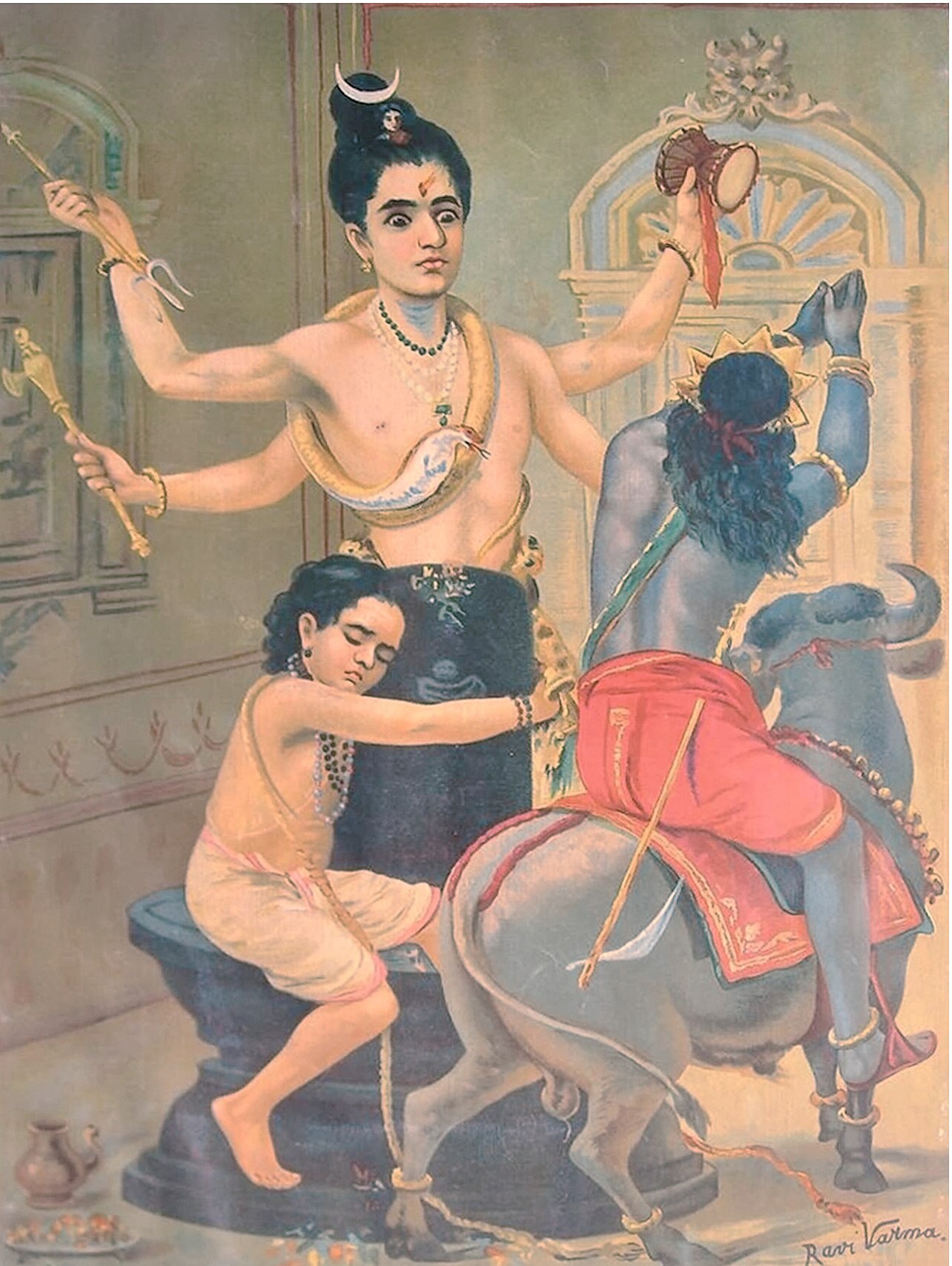
On the appointed day, as the story is told in the Shaiva Puranas and temple traditions, Markandeya was worshipping a Shiva linga when Yama's messengers came for him and could not approach. Yama himself came and threw his noose. The boy flung his arms around the linga, and the noose fell around both. Shiva burst from the linga in fury, struck Yama down with his foot, and declared that his devotee would be sixteen forever and would never die.
In this form Shiva is worshipped as Kalantaka or Kalari, the ender of Death, and as Mrityunjaya, the conqueror of death. Tradition places the episode at Thirukkadaiyur in Tamil Nadu, where couples come to celebrate long life. The Mahamrityunjaya mantra of the Rigveda is popularly connected with Markandeya, though the mantra itself is far older than the Puranic story. Details differ between versions, and some tellings have the gods restore Yama at once so that the order of the world is not disturbed.
The vision of the flood
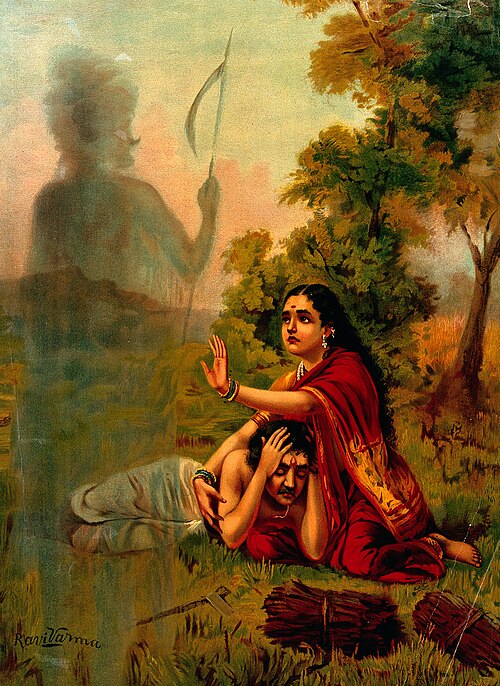
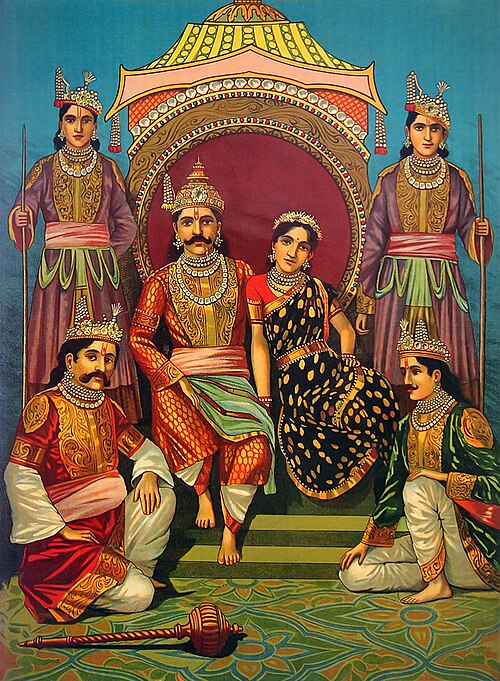
The Mahabharata presents Markandeya as an ancient sage of immense age who visits the Pandavas in exile and tells them stories — among them the tale of Savitri and Satyavan. In the Vana Parva he describes how he lived through the dissolution of the world: everything drowned in a single ocean, and he wandered alone in the darkness until he saw a radiant child lying on a banyan leaf. The child drew him into his body, where he saw all the worlds, then released him.
The Bhagavata Purana (Book 12) tells a similar story: after long austerities, Markandeya asked the sages Nara and Narayana to show him the Lord's maya, and was shown the cosmic flood and the child on the banyan leaf, sucking his toe — the form worshipped as Vatapatrashayi or Bala Mukunda.
The Markandeya Purana
One of the eighteen major Puranas bears his name. It takes the form of dialogues in which Markandeya's teaching is relayed, and it contains the Devi Mahatmya — the seven hundred verses known as the Durga Saptashati or Chandi Path, recited across India, especially during Navratri.
Its other sections include Harishchandra's ordeal for truth, the birds who answer the sage Jaimini's questions about the Mahabharata, and discussions of dharma, yoga and the ages of the fourteen Manus.
How they are remembered
Markandeya is counted among the chiranjivis, the long-lived ones, and is invoked for long life and protection from untimely death. His story makes a simple promise that devotees have held onto for centuries: that sincere refuge in Shiva is stronger than fate itself.
Ekatmata Stotra · Stanza 12
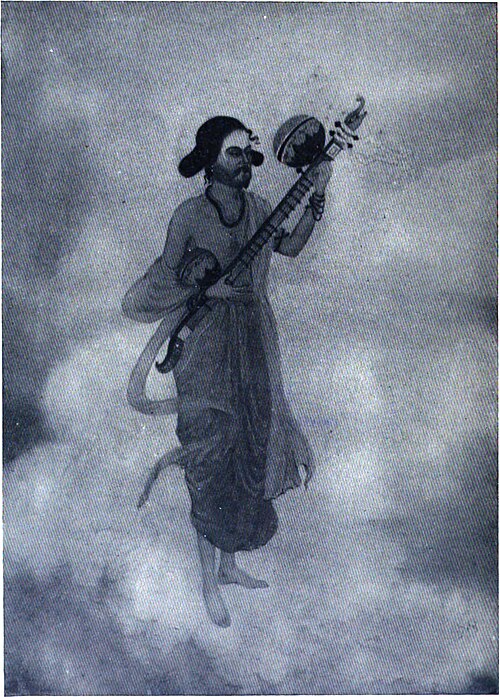
Named in Stanza 12 of the Ekatmata Stotra — ten figures from the great epics.
रामो भरतश्च कृष्णो भीष्मो धर्मपुत्र: तथा।
अर्जुनो मार्कण्डेय: हरिश्चन्द्र: प्रह्लादो नारदस्तथा॥
Sources: Wikipedia: Markandeya · Wikipedia: Markandeya Purana · Wikipedia: Thirukadaiyur. Written afresh for The Hindu Book; corrections welcome at [email protected].